 Contact Me For A Free 20 Minute Discovery Call.

Decoding CIRS and Its Impact on Your Health
Understanding Chronic Inflammatory Response Syndrome
Chronic Inflammatory Response Syndrome (CIRS) is a complex, multi-system illness that occurs when the body’s immune system reacts to toxins it cannot properly remove. These toxins, often called biotoxins, are commonly found in water-damaged buildings, mold-contaminated environments, certain bacteria, and other environmental sources.
For individuals who are genetically susceptible, exposure to these toxins can trigger a chronic inflammatory response that affects multiple systems in the body. Instead of clearing the toxins naturally, the immune system becomes stuck in a cycle of inflammation, leading to persistent symptoms that can impact daily life.
Because CIRS affects the brain, immune system, hormones, and other body systems, symptoms can vary widely and may include:
Many people with CIRS spend years searching for answers because these symptoms often overlap with other conditions. This is why early detection and proper evaluation are so important. Identifying environmental exposure and beginning appropriate treatment can help stop the inflammatory cycle and support the body’s healing process.
With proper guidance, environmental corrections, and targeted treatment approaches, many individuals are able to significantly improve their health and quality of life.
CIRS can present differently in every individual. There can be many additional symptoms beyond these 37, and the type, severity, and combination of symptoms may vary considerably from person to person.
Important: Symptoms alone do not diagnose CIRS. Many of these symptoms can occur with other health conditions. Evaluation and diagnosis should be performed by an appropriately qualified healthcare professional.”
CIRS Biomarkers Commonly Used in the Shoemaker Protocol
CIRS evaluation typically looks at a pattern of biomarkers and clinical findings, rather than relying on one abnormal lab.
1. HLA-DR/DQ genetics
Identifies HLA haplotypes associated with susceptibility to biotoxin-related illness.
2. C4a
Complement activation marker that may be elevated in CIRS.
3. TGF-β1 (Transforming Growth Factor Beta-1)
May be elevated and reflects immune-regulatory abnormalities.
4. MMP-9 (Matrix Metalloproteinase-9)
Inflammatory marker that may be elevated.
5.MSH (Melanocyte-Stimulating Hormone)
Frequently low in CIRS.
6. VIP (Vasoactive Intestinal Polypeptide)
Frequently low.
7. VEGF (Vascular Endothelial Growth Factor)
May be abnormally low or high.
8. ADH (Antidiuretic Hormone/Vasopressin)
Interpreted together with osmolality; dysregulation can be seen in CIRS.
9. Serum Osmolality
Evaluated alongside ADH.
10. ACTH
Assessed with cortisol to evaluate hypothalamic-pituitary-adrenal regulation.
11. Cortisol
Interpreted with ACTH.
12. Leptin
May be elevated or otherwise dysregulated.
13. MARCoNS
Nasal testing for multiple-antibiotic-resistant coagulase-negative staphylococci; historically used within the Shoemaker approach.
14. Visual Contrast Sensitivity (VCS)
Not a blood biomarker, but commonly used as an objective screening/monitoring measure.
15. NeuroQuant MRI
Volumetric brain MRI analysis that may provide additional objective information in appropriate cases.
16. Transcriptomic/Gene-Expression Testing
Specialized testing has been used to examine patterns of gene activation associated with inflammatory responses.
17. ERMI/HERTSMI-2
Environmental tests, not human biomarkers, but often used to evaluate potential exposure conditions in water-damaged buildings.
Important: These results need to be interpreted in context. An abnormal C4a, TGF-β1, MMP-9, MSH, VIP, or other marker by itself does not establish a CIRS diagnosis. The diagnostic framework incorporates exposure history, symptoms, objective findings, laboratory patterns, and exclusion of alternative explanations."

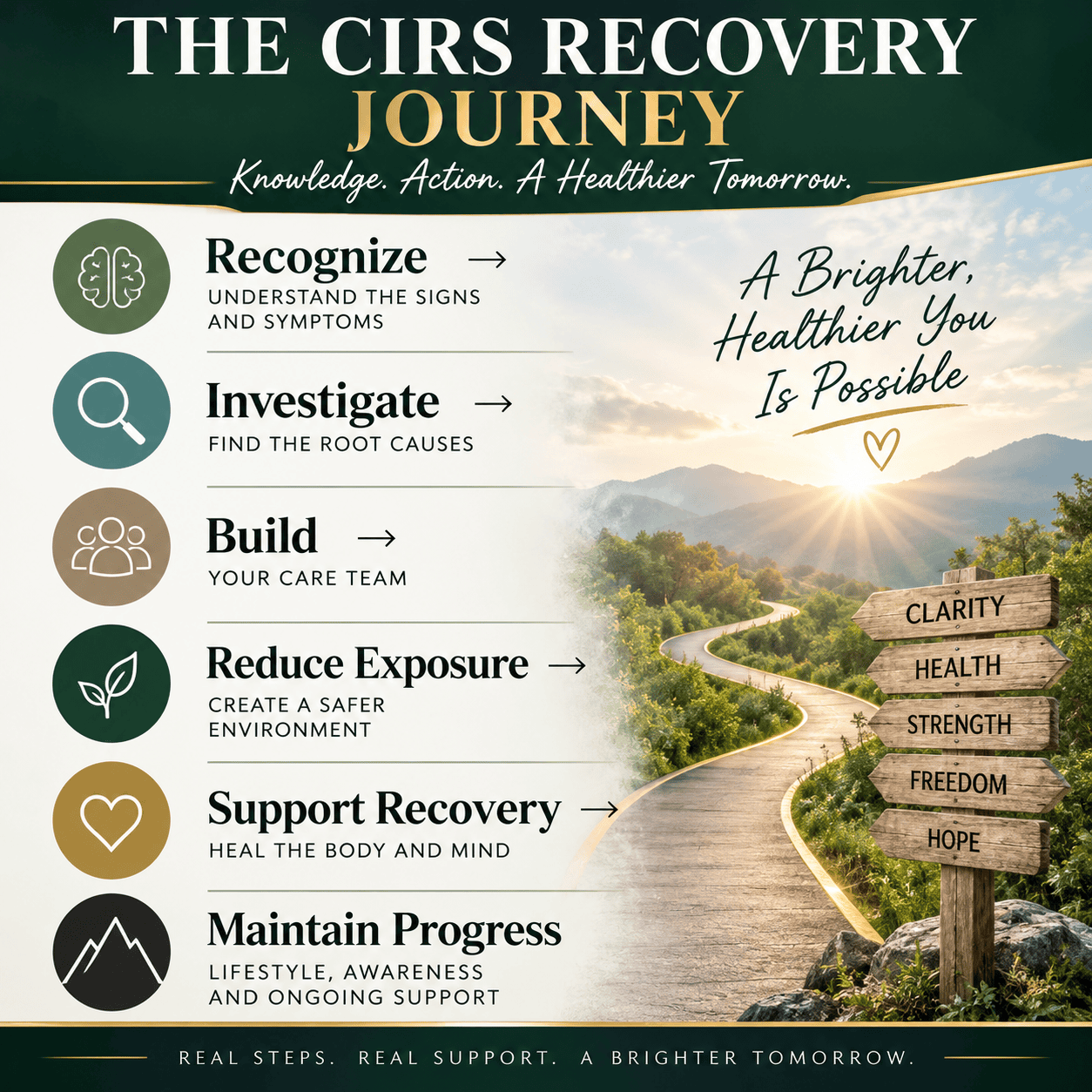
Overview of the Shoemaker Protocol
The Shoemaker Protocol is a scientifically developed treatment approach used to address Chronic Inflammatory Response Syndrome (CIRS). Created by Dr. Ritchie Shoemaker, the protocol provides a structured method for identifying biotoxin illness and guiding patients through recovery.
The protocol follows a step-by-step “pyramid” structure, meaning each phase must be completed in the proper order. This sequence is important because the body must first remove ongoing toxin exposure and reduce circulating toxins before deeper immune and hormonal imbalances can be addressed.
Rather than focusing on a single symptom, the Shoemaker Protocol works to correct the underlying inflammatory processes affecting the immune system, nervous system, and hormone regulation. By addressing each layer of the illness, the protocol helps restore balance within the body and supports long-term recovery.
For many individuals struggling with CIRS, this structured process provides a clear pathway forward when other treatments have not resolved their symptoms.
The 12 Steps of the Shoemaker Protocol
The protocol includes twelve progressive treatment steps, each designed to correct a specific part of the inflammatory response caused by biotoxin exposure.
Key Steps Include

Removal from Exposure
The first and most critical step is identifying and leaving the water-damaged or toxin-contaminated environment that is triggering the illness.

Biotoxin Binders
Prescription binders such as cholestyramine or Welchol are often used to help capture circulating toxins in the body so they can be safely eliminated.

Treatment of MARCoNS
Certain antibiotic-resistant bacteria can colonize the nasal passages in CIRS patients. Targeted treatments may be used to eliminate these bacteria and reduce inflammation.

Dietary Adjustments
For individuals who test positive for anti-gliadin antibodies, a strict gluten-free diet may be recommended for several months to help reduce immune system activation.

Hormone and
Immune System Support
Chronic inflammation can disrupt hormones and other biological systems. Several steps of the protocol focus on correcting these imbalances and improving the body’s natural regulation.

Inflammatory Marker Correction
Specific markers in the body, such as MMP-9, VEGF, C3a, C4a, and TGF-Beta 1 may be evaluated and corrected through targeted treatments.

VIP Therapy
The final stage of the protocol may include a specialized nasal spray called Vasoactive Intestinal Polypeptide (VIP), which helps restore immune balance and improve neurological function.
Each step builds upon the previous one, allowing the body to gradually stabilize and recover from the effects of chronic toxin exposure.
Diagnostic Tools Used in CIRS Evaluation
Proper diagnosis and monitoring are essential for understanding whether someone may be experiencing CIRS. Several specialized tests are commonly used to help identify biotoxin-related illness and environmental exposure.
Common Diagnostic Tools Include
Visual Contrast
Sensitivity (VCS) Testing
This simple screening tool measures how well a person can detect visual contrasts. Biotoxin exposure can impair neurological function, and this test can help identify those changes.
Genetic
Susceptibility Testing
HLA-DR genetic testing helps determine whether someone may be genetically predisposed to difficulty clearing biotoxins from their body. Approximately 24% of the population has genes that increase susceptibility to CIRS.
Environmental Testing
Dust sampling methods such as ERMI or HERTSMI-2 testing may be used to evaluate whether a building contains mold or other toxins that could trigger CIRS symptoms.
These diagnostic tools help practitioners better understand a patient’s exposure, biological response, and progress throughout the treatment process.
MULTI-SUSCEPTIBLE GENETICS FISH TO AVOID
PROTECT YOUR HEALTH . SUPPORT YOUR HEALING


If you have multi-susceptible HLA-DR genetics, your body is more vulnerable to biotoxins that can trigger CIRS and other chronic inflammatory illnesses.
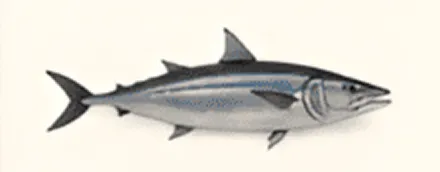
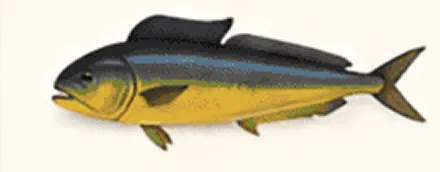
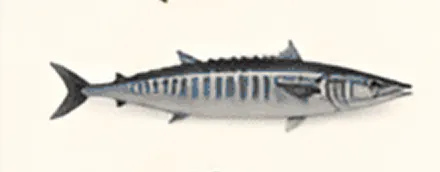
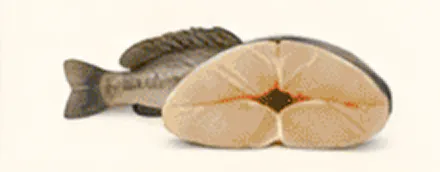
Certain fish can carry biotoxins, toxins, and high levels of contaminants that may worsen symptoms and impede healing.

Choose clean, low-toxin fish to support your recovery.
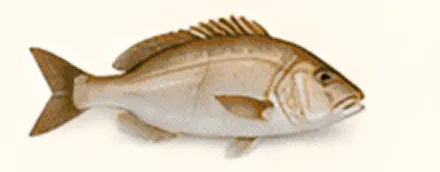
FISH TO AVOID IF YOU HAVE MULTI-SUSCEPTIBLE GENETICS
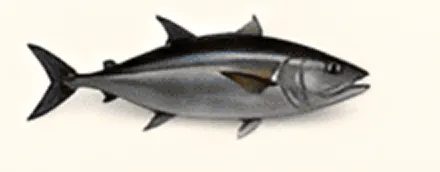
1. HIGH MERCURY FISH
High in mercury, which is a neurotoxin and burdens detox pathways.

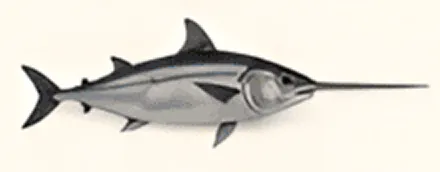
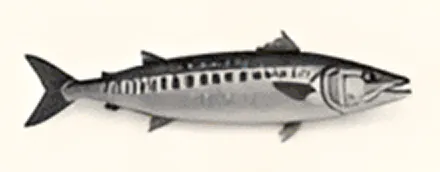
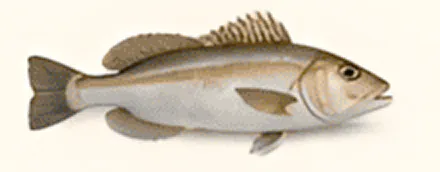
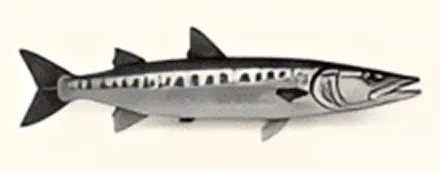
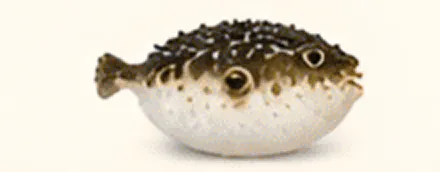
2. HIGH TOXIN / BIOTOXIN RISK
May carry natural biotoxins that can trigger or worsen CIRS symptoms.
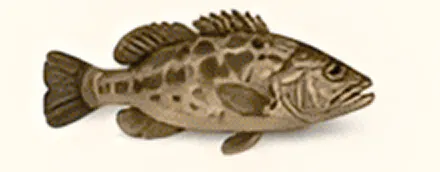
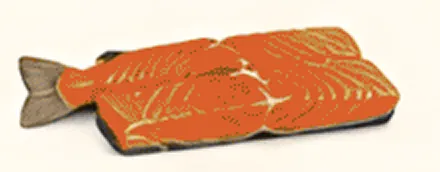
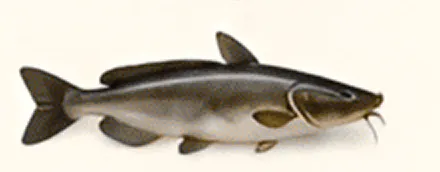
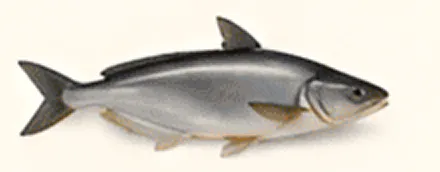
3. FARMED FISH TO AVOID
Higher risk of contaminants, antibiotics, pesticides & poor omega balance.
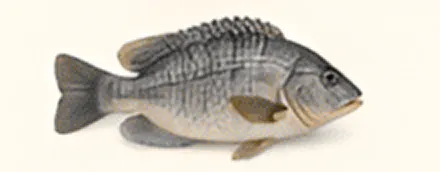

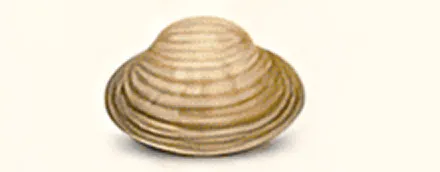
4. SHELLFISH TO USE CAUTION
Filter feeders can concentrate biotoxins, heavy metals & harmful algae.




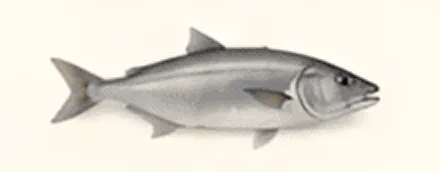
5. FISH HIGH IN PCBs & DIOXINS
These environmental toxins can disrupt immune function and hormone balance.
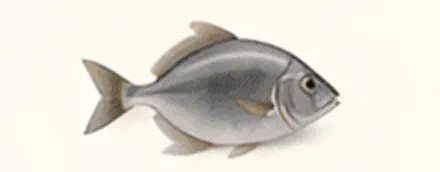
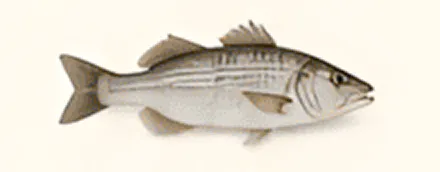
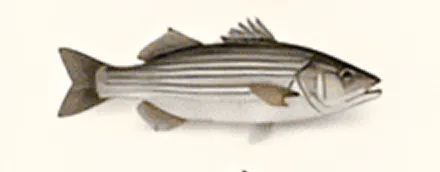
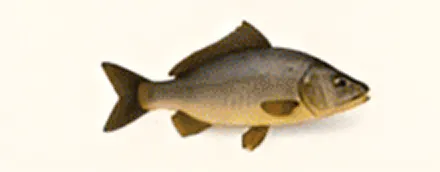
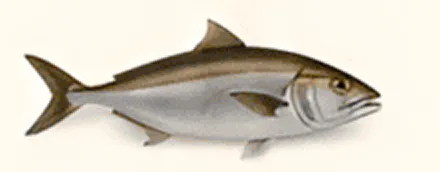
6. FISH TO LIMIT
Lower in contaminants but still best limited due to toxin and omega balance.

WHY THESE FISH ARE A CONCERN

Contain heavy metals
Like mercury, cadmium & lead.

Higher risk of PCBs
From red tide, blue-green algae, or dinoflagellates.

May carry biotoxins
From red tide, blue-green algae, or other environmental sources.

Can trigger inflammation
Neuroimmune symptoms & detox overwhelm.
BETTER CHOICES (LOWER TOXIN FISH)
Focus on wild, small, cold-water fish low on the food chain.

DISCLAIMER: This information is for educational purposes only and reflects the Shoemaker approach to biotoxin illness. It is not intended to replace professional medical advice, diagnosis, or treatment. Always consult with a qualified healthcare provider.

HLA-DR GENETICS
IN THE SHOEMAKER FRAMEWORK

HLA-DR/DQ gene variants are associated with different biotoxin illness susceptibility patterns.
Your genes do not define you – they help us personalize your path to healing.

1. MULTI-SUSCEPTIBLE
Most susceptible to multiple biotoxin illnesses.
4-3-53
7-4-53
11-3-52B
12-4-52B
14-5-52B
15-6-51
16-2-52B
* Often the most challenging to treat due to multiple sensitivities.

2. MOLD-ASSOCIATED
Genetic susceptibility primarily associated with mold.
7-2-53
13-6-52A
13-6-52B
13-6-52C
17-2-52A
18-4-52A
18-4-52B
* Strong association with mold biotoxin illness (CIRS).

3. POST-LYME
Genetic susceptibility commonly seen after Lyme.
6-1-51
8-1-53
9-1-51
10-1-53
15-1-51
16-1-51
* May indicate increased risk for post-Lyme illness.

4. DINOFLAGELLATE
Associated with dinoflagellate exposure.
2-1-53
3-1-53
5-1-53
12-2-53
15-2-53
16-3-53
17-1-53
* Linked to dinoflagellate biotoxin illness.

5. MARCONS-ASSOCIATED
Associated with MARCoNS (Staphylococcus) colonization.
8-2-51
9-2-51
12-1-51
14-1-51
15-3-51
16-4-51
17-3-51
* May indicate higher risk for MARCoNS colonization.

6. LOW MSH / NEUROLOGIC
Associated with low MSH genetic profile.
1-1-53
4-1-53
7-1-53
11-1-53
13-1-53
14-2-53
18-1-53
* May be associated with neurologic symptom patterns.

7. LOW RISK / RESILIENT
Generally associated with lower risk for CIRS.
1-2-53
2-2-53
3-2-53
5-2-53
6-2-53
10-2-53
* May indicate lower genetic risk for biotoxin illness.

8. OTHER / LESS COMMON
Less common or less well-defined patterns.
1-3-53
2-3-53
3-3-53
4-2-53
5-3-53
6-3-53
7-3-53
DQ Variants: DQ7, DQ8, DQ9
* Ongoing research may further define these patterns.

IMPORTANT
HLA typing identifies genetic susceptibility patterns in the Shoemaker approach. It does NOT diagnose CIRS or any illness.

Your genes indicate susceptibility, not exposure or illness.

Diagnosis requires a complete clinical evaluation.

Symptoms, history, lab testing and VCS results matter.

Healing is possible with the right approach.

IDENTIFY • UNDERSTAND • HEAL
Knowledge is the first step to recovery.
Disclamer: The information provided is for educational purposes only and reflects the Shoemaker approach to biotoxin illness. It is not intended to replace professional medical advice, diagnosis, or treatment. Always consult with a qualified healthcare provider.
MULTI-SUSCEPTIBLE GENETICS
WAYS BIOTOXIN EXPOSURES CAN MAKE YOU SICK
IF YOU HAVE MULTI-SUSCEPTIBLE HLA-DR GENETICS
Your genetics can make you vulnerable to many different biotoxin illnesses.
Different toxins. Same triggers. Similar symptom patterns.
MULTI-SUSCEPTIBLE HLA-DR GENETICS
Examples: 4-3-53 • 7-4-53 • 11-3-52B • 12-4-52B • 14-5-52B • 15-6-51 • 16-2-52B
WAYS BIOTOXIN EXPOSURES CAN MAKE YOU SICK
1. MOLD
Potential Exposures
Potential Illnesses
2. LYME & CO-INFECTIONS

Potential Exposures
Potential Illnesses
3. RED TIDE (KARENIA BREVIS)

Potential Exposures
Potential Illnesses
4. BLUE-GREEN ALGAE (CYANOBACTERIA)

Potential Exposures
Potential Illnesses
5. BROWN RECLUSE (SPIDER BITES)

Potential Exposures
Potential Illnesses
6. RATTLESNAKE (BITES)

Potential Exposures
Potential Illnesses
WHY MULTI-SUSCEPTIBLE GENETICS MATTER
Your genes don't cause illness, but they can increase your vulnerability.
Biotoxins from different sources can trigger similar immune responses.
The body may react with inflammation, neuroinflammation and loss of regulation.
Avoidance, detoxification, and immune support are key to healing.
Work with a Shoemaker-trained provider for proper testing, diagnosis and treatment.

Disclamer: The information provided is for educational purposes only and reflects the Shoemaker approach to biotoxin illness.
It is not intended to replace professional medical advice, diagnosis, or treatment. Always consult with a qualified healthcare provider.
IDENTIFY • UNDERSTAND • HEAL
Knowledge is the first step to recovery.
Informational Disclaimer
The information provided on this page is for educational purposes only and is not intended to diagnose, treat, or replace professional medical care. Individuals experiencing health concerns should consult a qualified medical professional for diagnosis and treatment recommendations.